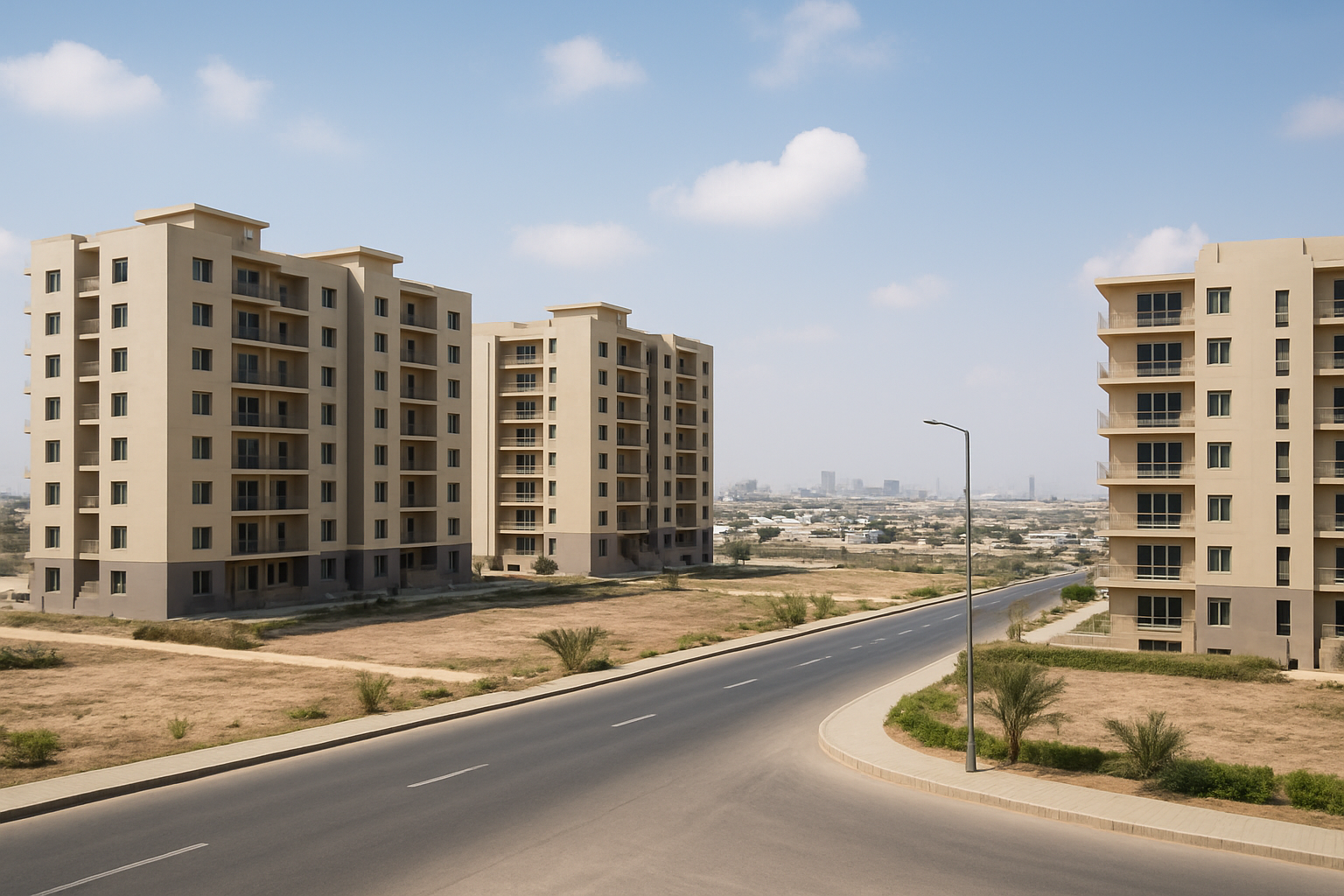
A low asking price can make a property look like the right deal until you discover that the road access is unclear, the transfer documents are incomplete, or the quoted area does not match the site. When searching Pakistan properties for sale, the best decision usually comes from comparing the full picture: location, legal status, condition, market demand and the credibility of the person advertising it.
Property searches in Pakistan are personal. A family may need a house close to school and work. An investor may be focused on rental demand or a plot in an expanding society. A shop owner may need visible frontage rather than extra square footage. Start with the purpose of the purchase, then use that purpose to filter every listing and conversation.
Start With the Property You Actually Need Set a realistic budget before viewing listings. This should cover more than the advertised price. Allow for transfer charges, taxes where applicable, legal checks, repairs, utilities, society charges and any work needed before you can move in or let the property. A ready house at a higher price may be better value than a cheaper home requiring extensive repairs.
Choose your non-negotiables early. For a residential purchase, these may include the number of bedrooms, water availability, parking, security, nearby facilities and daily commuting time. For a commercial property, consider footfall, parking, loading access, frontage, zoning and the type of business permitted in the area.
It helps to separate requirements into three groups: essential, preferred and optional. This stops a polished listing or an attractive price from distracting you from what matters most.
Location Is More Than a City Name Two properties in the same city can have very different values and day-to-day practicalities. Check the exact block, street, road width, nearby development, drainage, electricity supply and access during busy hours. In growing areas, find out whether infrastructure is already available or merely planned.
Visit at more than one time if possible. A quiet street at midday may be busy, noisy or difficult to access in the evening. Speak to neighbours or local shopkeepers where appropriate. They can often give useful, plain-spoken information about water, security, traffic and the general character of the area.
How to Compare Pakistan Properties for Sale A strong listing gives you enough detail to decide whether a viewing is worthwhile. It should clearly state the property type, location, covered area or land area, asking price, bedrooms or commercial layout, condition and contact details. Photographs should support the description rather than hide key parts of the property.
Do not compare prices by total figure alone. Compare the price against plot size, covered area, condition, age, location within the scheme or neighbourhood, road position and the availability of utilities. A corner plot, a main-road commercial unit or a newly renovated house may reasonably command a higher price. Equally, an unusually low price should prompt more questions, not instant commitment.
Ask the advertiser direct questions before arranging a visit. Is the property still available? Is the price negotiable? Is possession available now? Are there outstanding dues? Is it owner-occupied, vacant or rented? For a rented property, ask about the tenancy terms and current rent rather than assuming an advertised yield will continue.
For plots, confirm whether the plot number, dimensions, possession status and development position have been checked. A plot listed as being in a housing society may be in a less developed phase, on the outer edge of the scheme or subject to particular building conditions. The details matter.
Check the Person Behind the Listing Property decisions involve large sums, so treat identity and communication as part of your due diligence. Look for a clear agent profile or owner contact, a consistent description and someone willing to answer reasonable questions. Verified agent information can provide additional confidence, but it does not replace your own document and site checks.
Be cautious if a seller pressures you to pay a token amount immediately, avoids sharing basic ownership information, refuses a viewing, or changes the price without explanation. Never send money solely because photographs, screenshots or a social media message appear convincing.
Jaydad.net helps buyers browse Pakistan-focused listings by location and property type, while giving owners and agents a practical way to present property details and receive direct enquiries. Use the listing as the beginning of your research, not the end of it.
Documents and Due Diligence Before You Pay The paperwork needed can vary by province, city, development authority, housing society and property type. That is why a local property lawyer or qualified adviser is worth involving before any major payment. Their role is not simply to read a file. They should help establish whether the seller has the right to sell, whether the chain of ownership is sound and whether the property can be transferred without hidden claims.
Depending on the property, ask to review the title or allotment documents, sale deed, mutation or transfer record, identity documents of the owner, tax or society dues, possession evidence and any approved building plans. If the seller is acting through an attorney or representative, verify that authority carefully.
For a house or flat, check whether construction approvals, utility connections and maintenance obligations are in order. For a society property, confirm transfer procedures, membership requirements, development charges and restrictions on construction or commercial use. A property can look complete on site while its records remain incomplete.
Do not rely on verbal assurances that a document will be arranged later. If a point is material to your purchase, make sure it is checked and recorded before funds are released. The safest route is a properly documented transaction, with payment steps tied to verified milestones.
Viewing a House, Flat, Plot or Commercial Unit A viewing should be structured rather than rushed. Take measurements where useful and compare them with the advertised size. Look for damp patches, cracks, drainage issues, roof condition, ventilation, water pressure, electrical fittings and signs of poor maintenance. These do not always mean you should walk away, but they should affect the price and your repair budget.
For flats, inspect the building as well as the unit. Ask about lifts, generators, parking allocation, monthly maintenance, water storage, security arrangements and management of common areas. A well-finished flat in a poorly managed building can become expensive and frustrating over time.
For commercial premises, imagine normal operating hours. Can customers find it easily? Is there enough parking or public access? Are signage, loading and business activity allowed? A lower rent or sale price can be outweighed by weak visibility or practical restrictions.
Take photographs and notes during each visit, with permission where needed. After seeing several properties, details blur together. A simple comparison of price, area, condition, location, documents and likely additional costs will make the strongest option clearer.
Making an Offer Without Losing Control Once you have selected a property, negotiate from evidence rather than emotion. Use comparable listings, visible repair needs, market conditions and any costs you will need to absorb. A respectful offer backed by clear reasons is more likely to produce a useful discussion than an unrealistic figure.
Agree the main terms in writing before paying a token: price, payment schedule, included fixtures, possession date, responsibility for outstanding dues and what happens if documents do not verify. Read any agreement carefully and do not sign blank papers or documents you do not understand.
For sellers and agents, the same clarity attracts better enquiries. State the exact location, price, property size, key features, possession position and contact method. Honest descriptions save time for everyone and build more confidence than exaggerated claims. Good photographs, accurate address information and prompt responses can make a listing easier for serious buyers to assess.
The right property is not always the biggest, newest or cheapest one on the screen. It is the one whose location works, records stand up to scrutiny, costs remain manageable and purpose matches your plans. Give each of those checks the time it deserves before you make the next move.